
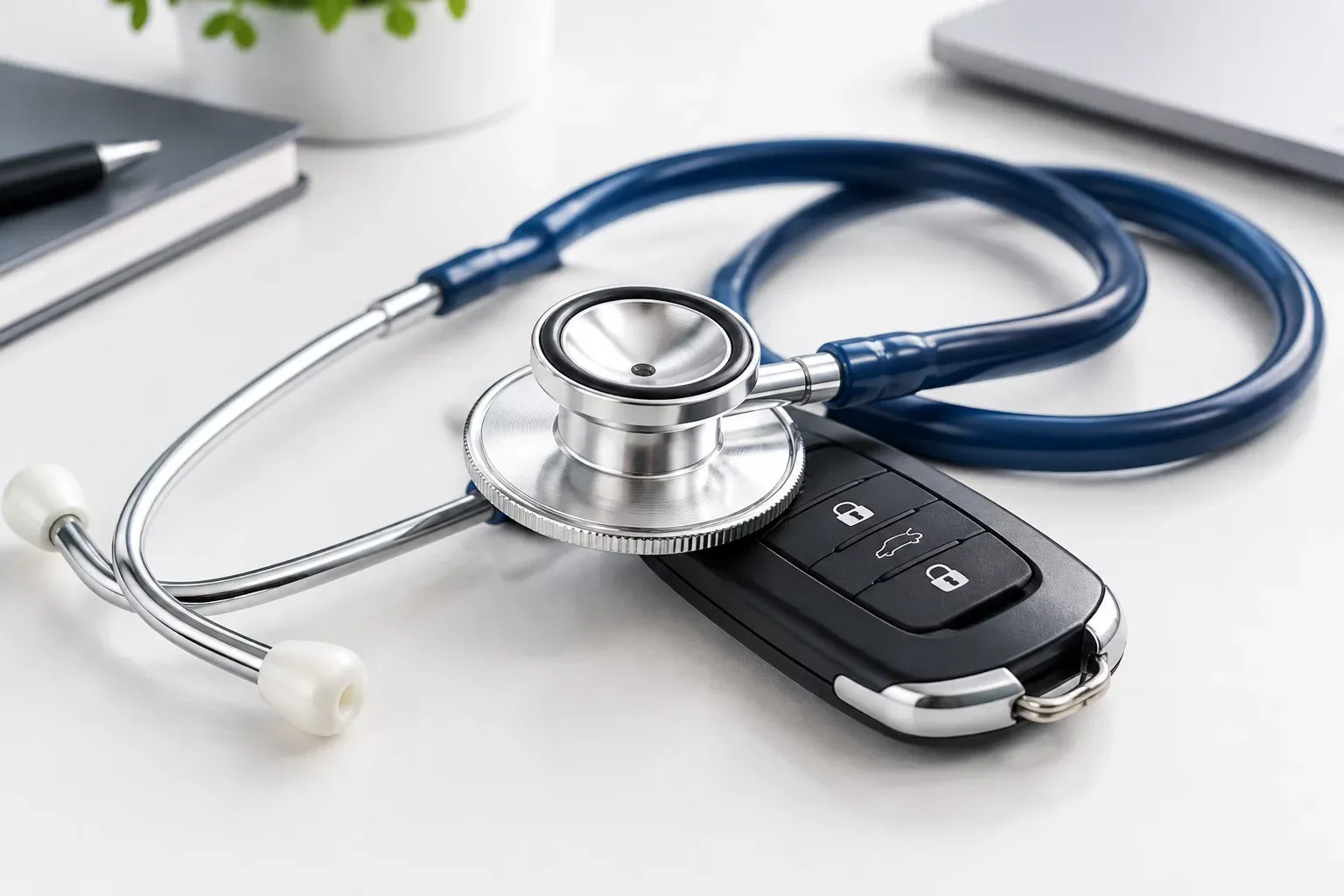
Defining Personal Injury Protection in Modern Auto Policies
Personal Injury Protection, commonly known as PIP or no-fault auto insurance, serves as a direct financial safeguard when physical injuries occur during a motor vehicle incident. Unlike bodily injury liability insurance, which covers third-party medical costs when you are held legally responsible for an accident, PIP pays for your own medical treatment and the care of your passengers no matter who initiated the collision. This fundamental mechanism eliminates lengthy legal disputes before emergency rooms, diagnostic centers, and surgical teams receive payment.
In fast-paced trauma care, delay in bill resolution often creates immense financial strain on families. PIP steps in as the primary payer in designated no-fault jurisdictions, bypassing health insurance deductibles and bureaucratic pre-authorizations to disburse funds immediately for ambulance services, emergency room admissions, prescription medications, and surgical interventions.
Critical Policy Distinction
PIP is tied directly to the vehicle and the insured individuals. Even if you suffer injuries as a pedestrian struck by another motor vehicle or while riding as a passenger in someone else's car, your primary PIP policy generally extends coverage to handle your immediate hospital expenses.
The Four Primary Pillars of PIP Financial Benefits
Insurance departments construct Personal Injury Protection to address the multifaceted aftermath of severe collisions. Beyond hospital room invoices, a standard PIP endorsement provides comprehensive compensation across four distinct categories:
- Medical and Surgical Expenses: Covers hospital stays, emergency transport, doctor consultations, physical therapy, prescription drugs, and medical equipment needed for complete recovery.
- Lost Wage Reimbursement: Replaces a designated percentage (typically 60% to 80%) of verifiable lost earnings while physical injuries prevent you from returning to work.
- Essential Replacement Services: Reimburses daily expenses for tasks the injured person cannot perform, such as household cleaning, childcare, yard maintenance, and transportation assistance.
- Funeral and Survivor Benefits: Provides immediate financial stipends for funeral expenses and modest survivor support in the unfortunate event of a fatal collision.
Each state establishes statutory baseline minimums for these four pillars. Many carriers allow policyholders to purchase supplemental excess PIP limits reaching up to $50,000, $100,000, or higher amounts to shield personal assets against catastrophic medical bills.
Comparing Personal Injury Protection with Medical Payments (MedPay)
Drivers frequently confuse Personal Injury Protection with Medical Payments coverage, as both options pay medical costs regardless of accident fault. However, the scope of coverage and financial relief mechanisms diverge substantially between the two policy types.
Medical Payments (MedPay)
MedPay strictly reimburses direct medical and funeral expenses. It does not cover lost income, childcare, household services, or ongoing rehabilitation assistance. It carries smaller standard limits, typically ranging from $1,000 to $10,000.
Personal Injury Protection (PIP)
PIP offers a broader safety net encompassing medical bills, wage loss compensation, replacement household labor, and rehabilitation programs. Standard limits often begin at $10,000 and can scale significantly higher depending on state statutes.
While MedPay acts primarily as a secondary supplement to personal health insurance policies, PIP functions as primary medical coverage in true no-fault systems, bearing the primary burden of early healthcare claims.
State Legal Mandates and Tort Thresholds
About a dozen states operate no-fault insurance systems, requiring all registered motor vehicle owners to carry Personal Injury Protection. In states like Florida, New York, New Jersey, and Michigan, drivers turn first to their own PIP policy for injury bills, relinquishing the right to sue the at-fault motorist unless physical injuries surpass specific statutory thresholds.
These tort limitations typically fall into monetary thresholds or serious injury definitions, including permanent disfigurement, bone fractures, or significant loss of bodily function. In states where PIP remains optional, such as Texas or Washington, adding PIP to your comprehensive auto package provides valuable financial insulation against out-of-pocket health insurance deductibles and high copayments.
Keep Your Coverage Optimized
Subscribe to our newsletter for actionable advice on policy limits, no-fault state updates, and smart ways to trim your monthly auto insurance premiums.
Frequently Asked Questions About Personal Injury Protection
No. Personal Injury Protection strictly covers human bodily injuries and related economic losses like wages and daily services. Physical vehicle repairs require Collision or Comprehensive coverage, or Property Damage Liability from the at-fault driver.
In mandatory no-fault states, state legislation requires PIP regardless of existing health insurance coverage. Even where optional, PIP is highly beneficial because it covers lost wages and essential daily services that standard health plans exclude, while avoiding high health insurance copays and network restrictions.
Yes. Standard PIP policies protect passengers riding inside the insured automobile who do not maintain their own auto insurance policies. Passengers who have their own car insurance typically file through their own household PIP policy first.


