What Does Collision Coverage Pay For?
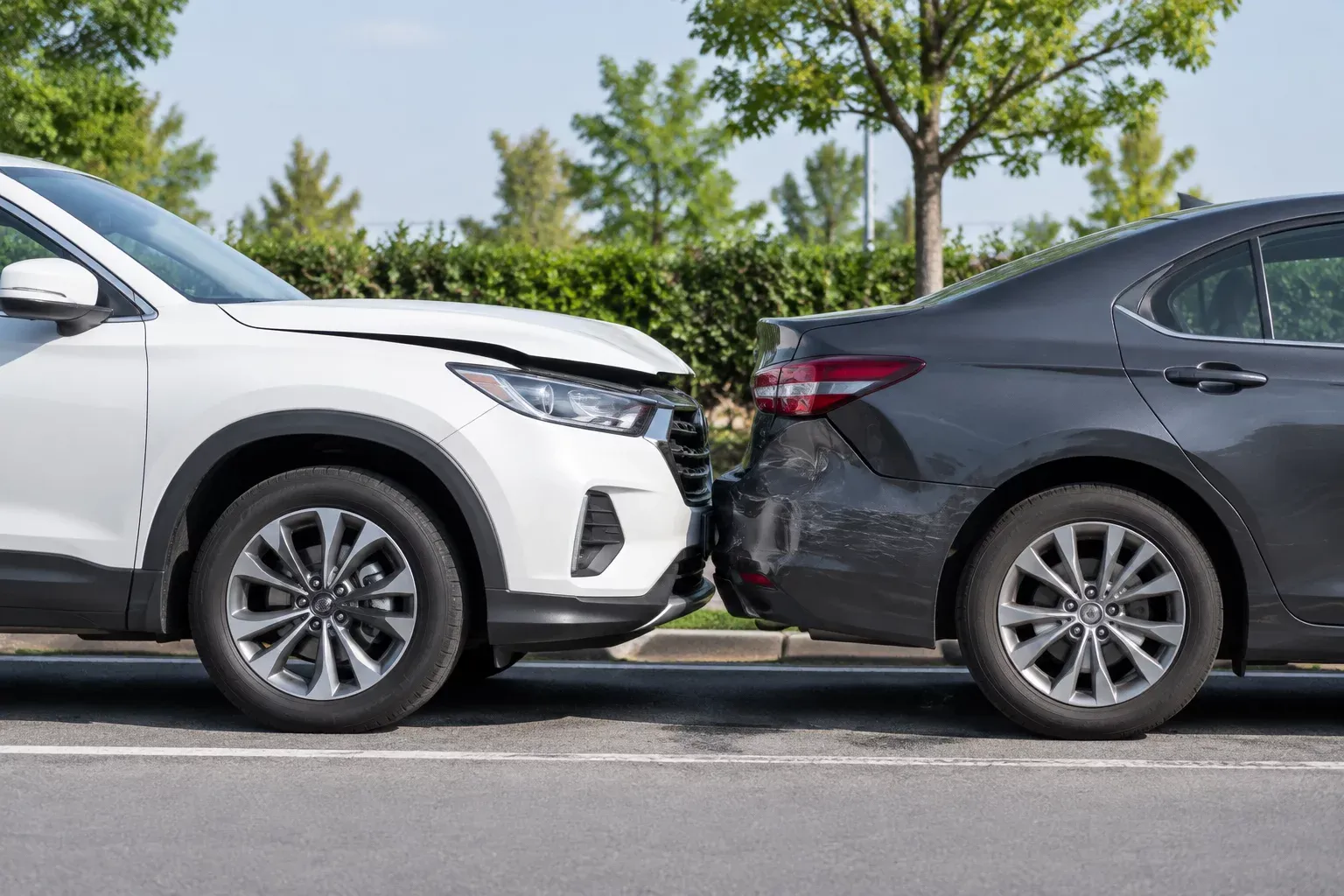
Collision coverage is a specific tier of auto insurance that pays to repair or replace your vehicle if it sustains damage in an accident with another motor vehicle or a stationary object. Unlike bodily injury liability, which compensates other motorists for harm you cause, collision insurance focuses strictly on physical damage sustained by your own automobile.
This protection applies across a wide array of everyday driving scenarios, including multi-vehicle traffic accidents, solo collisions with guardrails, telephone poles, or concrete barriers, and unexpected rollover incidents on slippery pavement. It also extends coverage if your car sustains severe structural or suspension damage from hitting an unavoidable deep pothole on municipal roadways.
Essential Coverage Clarification
Collision insurance does not pay for damage caused by severe weather, fire, vehicle theft, or collisions with wildlife such as deer. Those specific perils fall exclusively under comprehensive coverage.
Deductibles, Actual Cash Value, and Claim Mechanics
When you file a collision claim, payment hinges on two core financial mechanisms: your chosen deductible amount and the vehicle's Actual Cash Value (ACV). You select your out-of-pocket deductible when establishing the policy, which typically ranges from $250 to $2,000 per incident.
- Choosing a higher deductible like $1,000 lowers your recurring monthly or annual insurance premium substantially.
- Selecting a lower deductible like $250 increases monthly premium costs but minimizes sudden out-of-pocket expenses during a claim.
- Repair compensation pays out up to the current market value of your vehicle minus depreciation and your deductible.
- If repair costs exceed roughly 70% to 80% of vehicle ACV, insurers deem the car a total loss and issue a settlement check for the market value minus your deductible.
If another driver caused the accident and their fault is clearly established, your insurer may pursue subrogation against their liability policy to recover repair expenses and reimburse your paid deductible in full.
Determining When Collision Coverage Is Essential
State governments across the United States do not legally mandate collision coverage for licensed motorists. However, driving without it carries massive personal financial risk unless your vehicle has negligible monetary value.
Financed or Leased Vehicles
Banks, credit unions, and leasing companies almost universally require full physical damage coverage, including collision, until the auto loan balance is paid in full.
The 10% Vehicle Value Rule
Consider dropping collision and comprehensive when their combined annual cost is more than about 10% of what the insurer would pay if the car were totaled (its actual cash value minus your deductible). This often happens once a car is worth less than about $4,000. Only drop them if the car is paid off and you could afford to repair or replace it yourself.
For vehicles older than ten to twelve years with high mileage and minimal trade-in value, paying several hundred dollars annually for collision protection often photo outweighs the maximum possible claim payout.
How Collision Differs From Comprehensive Coverage
While collision and comprehensive coverages are frequently packaged together under what agents call "full coverage," they address completely distinct categories of physical loss. Collision handles dynamic impact forces—your vehicle hitting another car, a tree, or rolling over. Comprehensive handles environmental, opportunistic, or static perils beyond your steering control.
For total peace of mind, pairing collision with comprehensive ensures that your car remains protected whether you experience a highway crash, a hail storm, vandalism in a parking garage, or a cracked windshield from highway debris.
Stay Ahead with Actionable Insurance Guidance
Receive expert breakdowns of state minimums, deductible strategies, and practical quote comparison advice directly in your inbox.
Common Questions About Collision Insurance
Yes. Collision coverage pays to repair your car regardless of fault. Whether you rear-ended another car or backed into a mailbox, your insurer will cover repair costs exceeding your chosen deductible.
No. Collision coverage pays strictly for physical repairs to your damaged vehicle. Rental car reimbursement is an optional policy endorsement that must be purchased separately.
You can use your collision coverage to repair the damage immediately after paying your standard deductible. If your state provides dedicated Uninsured Motorist Property Damage (UMPD), that coverage might apply first with a lower or waived deductible.


